Epoxy Surfaces, Hand-carved Texture Designs
01
02
00
problem / expectation
Background / How the project started
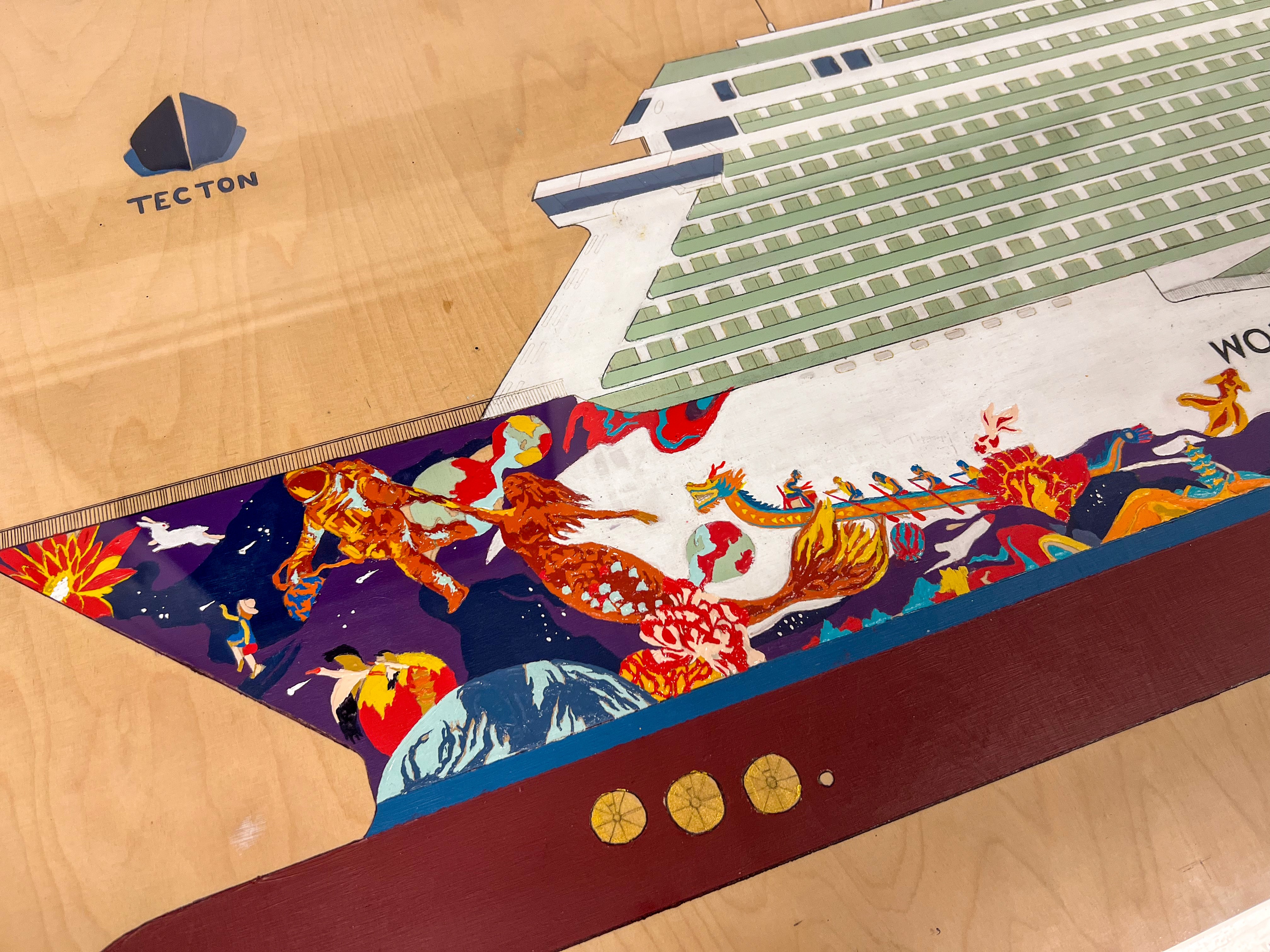
As part of my ongoing exploration into material-based design, I wanted to experiment with hand-carved textures on epoxy surfaces.
The goal was to understand how different materials respond to carving and how texture, depth, and color can combine to create visually compelling and durable surfaces.
Goal / What I aimed to achieve
I aimed to create durable, eastetic surfaces that could work across a variety of interior applications like floors, walls, tables, and other custom surfaces.
This was both a personal exploration and a demonstration of what is possible with epoxy as a medium for professional design projects.
Design Concept / Approach
I chosed an epoxy material to test contrasting approaches:
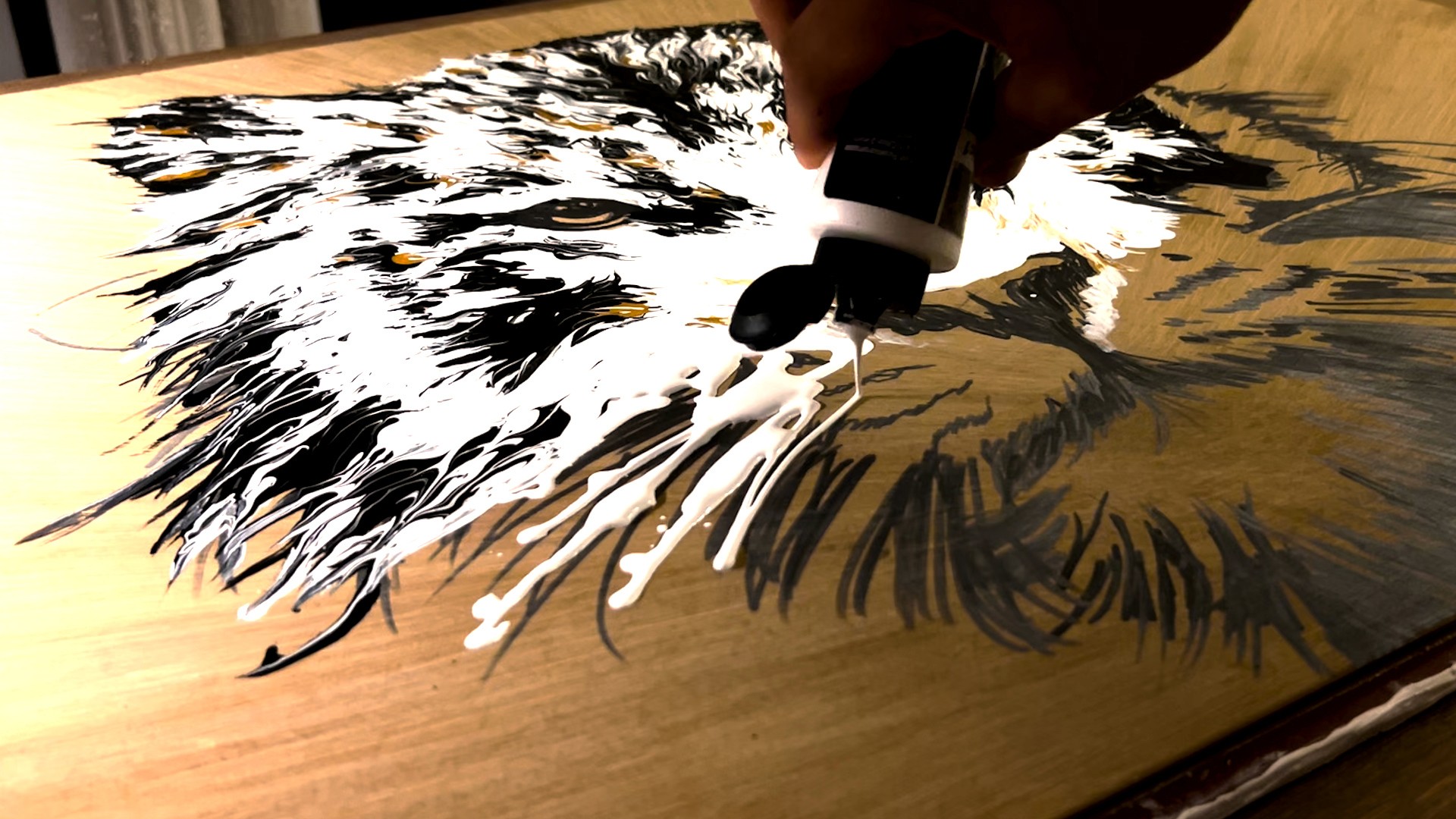
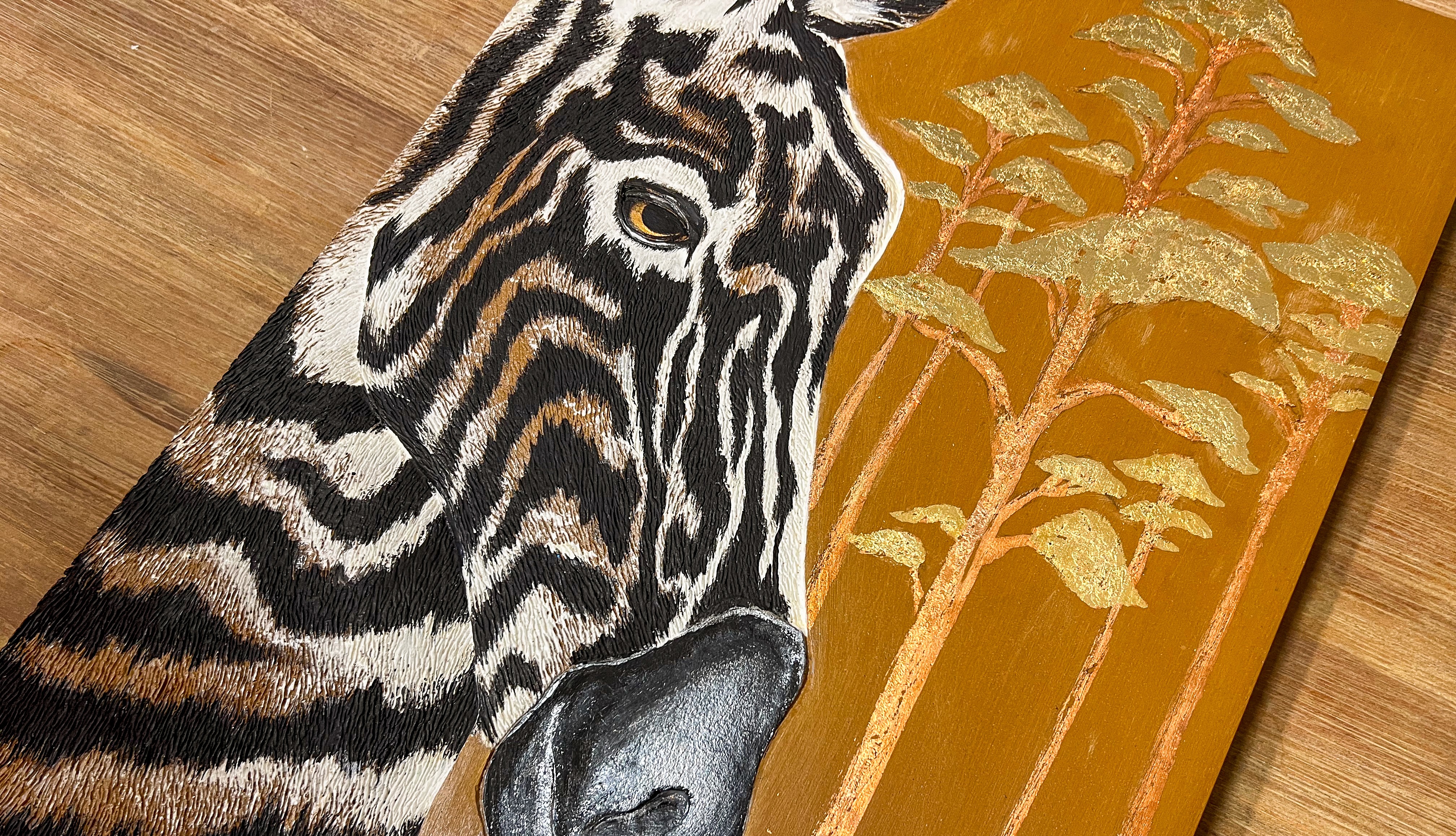
Future Teak (hard): A dense, strong epoxy that allows deep carving and fine details. I created a zebra motive, adding gold and bronze leaf accents to play with shadow, depth, and contrast. This material highlights precision and durability, showing how intricate designs can stand up to commercial use.
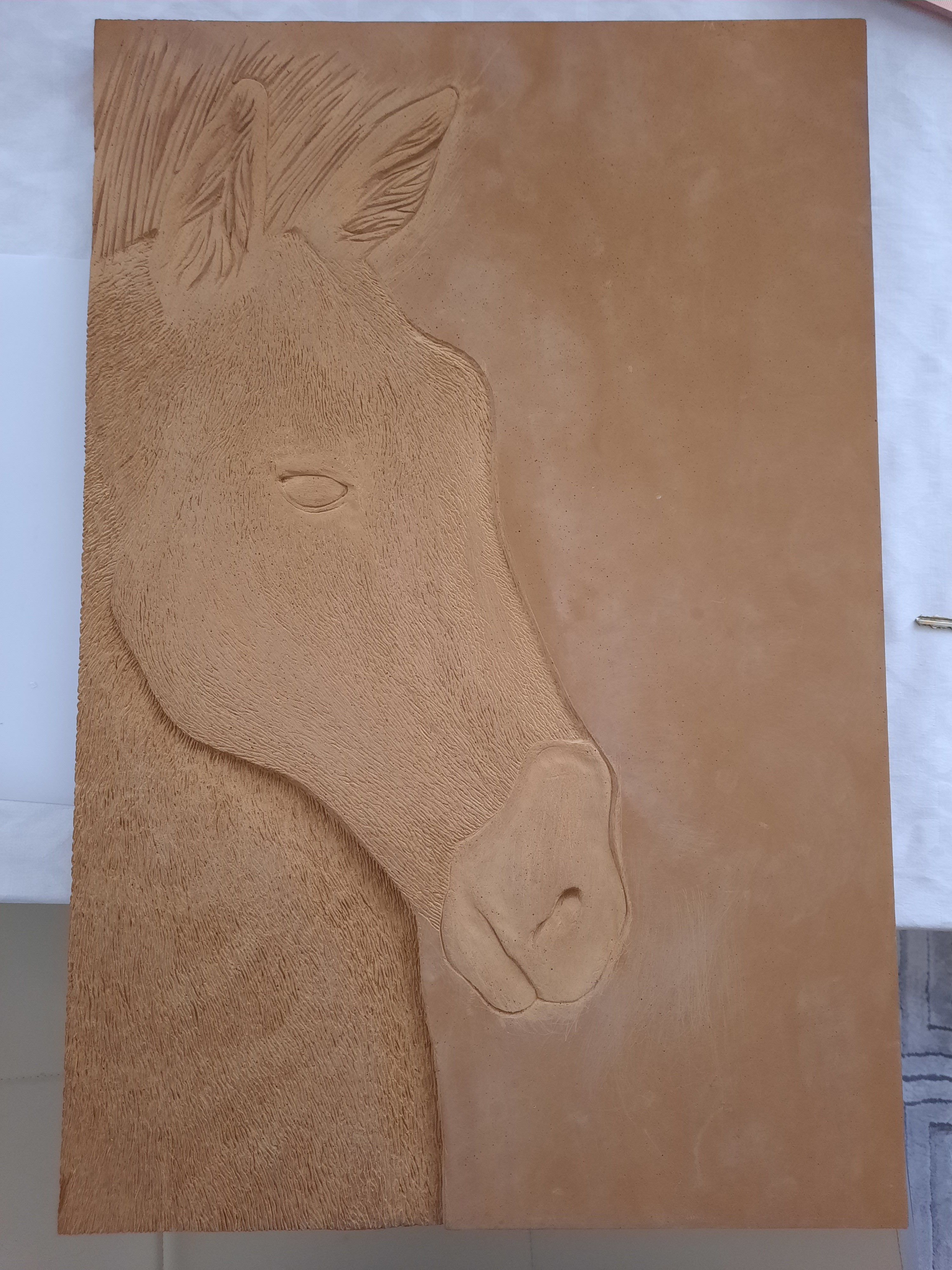
Process / How the designs evolvedEach material informed the carving technique:
On hard surfaces, I could carve deeper and sharper lines, bringing out the motive with high contrast and tactile depth.
On soft surfaces, I focused on gentle, flowing strokes, creating dynamic patterns that feel light yet resilient.
This hands-on experimentation allowed me to explore how texture, color, and shadow interact in a way that enhances both aesthetics and functionality.
Outcome / What it communicates
The result is a set of versatile, visually engaging epoxy surface suitable for a wide range of applications. These design demonstrate:Mastery of epoxy materials and carving techniques.
Ability to translate artistic experimentation into commercial-grade, durable surfaces.
How thoughtful composition, shadow, and color can elevate functional surfaces into design features.
year
2021
timeframe
14 Days
tools
Wood Carving Machine, Acrylic Painting
category
Personal Project / Examples
see also